

Email Us
draktiwari@ymail.com
-

Email Us
September 2, 2026
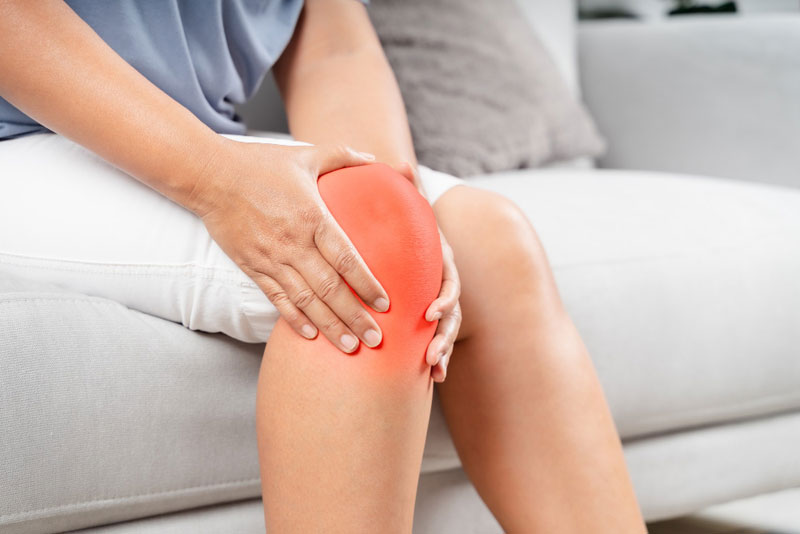
Knee pain is often associated with ageing. But what if you are in your 30s and your knees hurt while climbing stairs, getting up from a chair, squatting or sitting cross-legged?
You may be blaming it on a long day at work, lack of exercise or an old injury. That could be the reason, but recurring knee pain should be taken seriously even when you are young.
Modern lifestyles, weight gain, previous injuries and excessive or incorrect exercise can cause stress to the knees. The important thing is to identify the underlying cause before the problem starts affecting your everyday activities.
There is rarely a single reason behind knee pain in a younger adult. Several factors can gradually increase stress on the joint.
Sitting at a desk for long periods of time can weaken the quadriceps, hamstrings and other muscles that support the knee. If these muscles are not functioning well the knee may be forced to carry more load when moving.
An old ligament injury, meniscus tear or significant knee trauma should not be ignored. Some injuries can increase the risk of problems later, particularly when they are not properly assessed or rehabilitated.
If you’re living a sedentary lifestyle, your muscles will be weaker and your joints will be less conditioned, making routine movements more difficult on your knee.
The knees carry your body weight every time you stand and walk. Excess weight therefore increases the mechanical load placed on the joint.
Vitamin D deficiency is common in India, especially among people who spend little time outdoors. Low vitamin D can affect bone and joint health and may contribute to knee problems.
India has a high prevalence of vitamin D deficiency, particularly among those who spend less time outdoors. Low vitamin D can affect bone and joint health and may contribute to knee problems.
Exercise is good for your joints but if there is a sudden increase in the intensity of your workout such as lifting heavy weights with poor technique or repeatedly putting excessive stress on the knee you can injure yourself.
Knee pain doesn’t mean you have arthritis or need surgery. But there are some symptoms that should not just be ignored.
You should consider an orthopaedic evaluation if you experience:
The way in which your symptoms develop can help an orthopaedic specialist to work out whether the problem is with your kneecap, the cartilage, meniscus, ligaments or the joint itself.
No, not necessarily.Knee pain in your 30s can have several possible causes. These may include problems involving the meniscus, ligament injuries, patellofemoral pain and cartilage damage. Early degenerative changes can also occur, particularly when there are contributing factors such as previous injury, excess weight or prolonged mechanical stress. That is why treating every knee problem as “arthritis” or simply taking painkillers without finding the cause is not a good approach.A proper clinical assessment helps determine what is actually happening inside your knee.
Definitely not. If the problem is caught early enough, many patients may start treatment without surgery. Depending on the diagnosis your orthopaedic surgeon may suggest physiotherapy, strengthening exercises, weight management, activity modification, medication or selected injections. This isn’t about covering up pain for a little while, but finding the root of the problem and getting you back to moving comfortably.
Where there are no clear indications for surgery conservative management should be tried first. Dr. Anant Kumar Tiwari is the joint replacement and orthopedics specialist with vast experience in performing arthroplasty including Knee replacement. His practice also includes robotic and navigation joint replacement surgery.
Do not wait until knee pain becomes severe.An evaluation becomes particularly important when pain continues for several weeks, keeps returning, follows an injury, causes swelling or instability or begins interfering with walking, stairs, exercise or sleep.Early assessment does not mean that you will be advised to undergo surgery. In fact, understanding the problem early may give you more opportunity to manage it conservatively.
Choosing the right orthopaedic specialist is important when you have persistent knee pain. Dr. Anant Kumar Tiwari brings extensive experience in treating knee and joint problems with a patient-focused approach.He understands the cause of knee pain before recommending any treatment. Depending on your condition, the treatment may range from medicines and physiotherapy to advanced surgical options when required.
If knee pain is affecting your daily activities, early expert evaluation can help you understand the problem and choose the right treatment at the right time. Book a consultation with Dr. Anant Kumar Tiwari to get a healthier and more comfortable movement.
Listen to your knees, find out why they hurt and take action early.