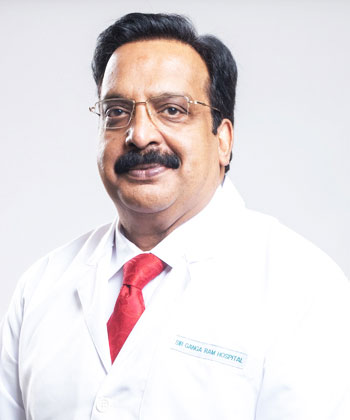
Are you suffering from debilitating knee pain that is hindering your daily activities? Total Knee Replacement Surgery in Delhi, performed by Dr. Anant Kumar, could be your path to relief and restored mobility.
What is Total Knee Replacement?
Total Knee Replacement Surgery (TKR) is a transformative procedure designed to alleviate chronic pain and restore functionality in patients suffering from severe knee joint issues, often due to conditions like osteoarthritis or rheumatoid arthritis. During this surgery, damaged cartilage and bone are removed and replaced with artificial components made of metal and plastic, allowing for smoother movement and improved stability. What many may not realize is that Total Knee Replacement Surgery (TKR) isn’t just about physical relief; it can significantly enhance one’s quality of life, enabling individuals to reclaim activities they previously enjoyed.
Conditions Leading to Knee Replacement
Total knee replacement surgery is typically recommended when conservative treatments such as medication, physical therapy, and assistive devices fail to provide adequate relief from knee pain and dysfunction.
Several conditions can lead to the need for this procedure:
Osteoarthritis: The most common condition leading to knee replacement, osteoarthritis is a degenerative joint disease characterized by the breakdown of cartilage, causing pain, stiffness, and reduced mobility.
Rheumatoid Arthritis: This autoimmune disorder causes chronic inflammation in the joints, leading to pain and swelling. Over time, it can severely damage the knee joint and necessitate replacement surgery.
Post-Traumatic Arthritis: Following a significant injury or trauma to the knee (such as fractures or ligament tears), individuals may develop post-traumatic arthritis, which can lead to joint deterioration and replacement needs.
Knee Defornities: Conditions such as bowlegs (varus deformity) or knock-knees (valgus deformity) can place abnormal stress on the knee joint over time, leading to wear and tear that may require surgical intervention.
If you are experiencing persistent knee pain, swelling, or difficulty with daily activities, Dr. Anant Kumar, one of the best orthopaedic surgeons in Delhi to determine if total knee replacement is the right option for you.
Procedure of Total Knee Replacement Surgery
The knee replacement surgery typically involves:
Anesthesia: You will be given either general anesthesia or spinal anesthesia (numbness from the waist down) during the procedure.
Incision: The surgeon makes an incision around your knee to access the joint.’
Removal of Damaged Tissue: The damaged cartilage and bone are removed from the knee joint.
Implantation of Artificial Components: The surgeon replaces the damaged parts with an artificial implant made of metal and plastic.
Closing the Incision: The incision is closed with stitches or staples.
Total Knee Replacement Surgery in Delhi
Total Knee Replacement Surgery in Delhi, particularly when performed by renowned orthopaedic surgeon Dr. Anant Kumar, offers patients a transformative solution for chronic knee pain and mobility challenges. With advanced surgical techniques and a patient-centric approach, Dr. Kumar emphasizes the importance of pre-operative preparation coupled with innovative post-surgery rehabilitation programs. This dual focus not only enhances recovery but significantly improves long-term outcomes.
Patients can expect state-of-the-art facilities equipped with the latest technology that enhances both accuracy during surgery and the comfort of care afterward. The journey doesn’t merely end at the operating table; Dr. Kumar's comprehensive follow-up system ensures that each patient's healing process is closely monitored, allowing for personalized adjustments in their recovery regimen. Moreover, by integrating modern minimally invasive techniques into practice, he reduces hospital stays and expedites return to daily activities—all while minimizing scarring and discomfort.
What truly sets this surgery apart in Delhi is not just skill but also compassion transparency in patient education. Dr. Kumar takes time to explain the procedure, addressing any fears and helping patients understand what to expect before, during, and after surgery. This builds trust and confidence as they work towards regaining their mobility.
Cost of Total Knee Replacement Surgery in Delhi
Considering a total knee replacement surgery in Delhi, India can be both a life-changing decision and a financial commitment. The cost of total knee replacement surgery in Delhi, India can vary significantly based on several factors, including the choice of hospital, surgeon expertise, and type of prosthetic used. It’s essential to consider the long-term value rather than just the upfront cost. Investing in a high-quality procedure at a reputable facility might reduce complications and enhance recovery times, translating to a better quality of life in the years that follow. Patients should also explore health insurance coverage options; many policies now cater specifically to joint replacement surgeries, thereby alleviating some financial burdens during this transformative journey toward mobility and wellness.
Schedule an appointment with Dr. Anant Kumar today if you are looking for a total knee replacement surgery in Delhi.
Total Knee Replacement
Recovery And Rehabilitation After Total Knee Replacement
Phase I: Early Function (Week 1)
Goals:
Safe and independent transfers from bed and various
Safe and independent ambulation with walker.
To dostatic quadriceps exercise and ankle pump.
Attain good extension and flexion of the involved knee.
Day of Surgery
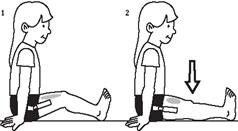
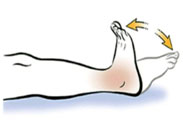
Static Quadriceps Exercises and Ankle pump to be started.
Knee range of movements as tolerated.
Moving in bed.
A towel roll should be placed under the ankle when lying down.
Static Quadriceps Exercise
Ankle Pump Exercise
Post Operation Day #1
Active ROM as tolerated
Perform all bedside exercises which include ankle pumps and quadriceps sets
Sit at the edge of bed with necessary assistance.
Ambulate with walker with moderate assistance.
Sit in a chair
Post Operation Day #2
Continue as above with emphasis on improving ROM, performing proper gait pattern with assistant device, decreasing pain and swelling, and promoting independence with functional activities.
Perform bed exercises independently 5 times per day.
Perform bed mobility and transfers with minimum assistance.
Ambulate with standard walker
Ambulate to the bathroom and review toilet transfers.
Sit in a chair twice per day
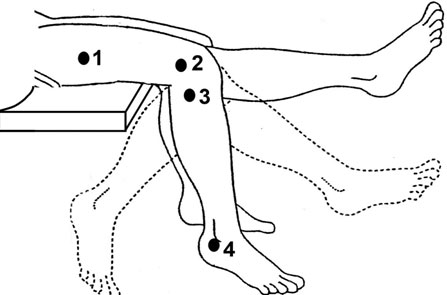
Active knee ROM
Drop and Dangle Exercise
Post Operation Day #3
Continue as above.
Perform bed mobility and transfers with contact guarding.
Ambulate with standard walker with supervision.
Sit on a chair, including all meals. Limit sitting to 15 minutes in a single session.
Use bathroom with assistance for all toileting needs.
Actively move knee 0-90°.
Post Operation Day #4
Continue as above.
Perform bed mobility and transfers independently.
Ambulate with walker with distant supervision.
Continue to sit in chair for all meals and most of the day. Be sure to stand and stretch your operated leg every 45 minutes.
Actively move knee 0-95°.
Discharge from the hospital to home if ambulating and comfortable.
Post Operation Day #5
Continue as above.
Perform bed mobility and transfers independently.
Ambulate with walker independently.
Negotiate 4-8 steps with WBQC safely.
Actively move knee 0-100°.
Discharge from the hospital to home.
Phase II: Progressive Function (Weeks 2-5)
Goals:
Progress from walker to straight cane.
Improve involved lower extremity strength and proprioception.
Improve static and dynamic balance to good-normal.
Maximize function in the home environment.
Attain 0-125° active knee motion.
Weeks 2-3
Monitor incision site and swelling.
Progress ambulation distance with walker.
Begin stationary bicycle with supervision for 5-10 minutes.
Begin standing wall slides.
Incorporate static and dynamic balance exercises.
Active ROM 0-115°.
Weeks 3-4
Continue as above.
Practice with straight cane indoors.
Increase stationary bicycle endurance to 10-12 minutes, twice per day.
Attempt unilateral stance on the involved leg and side stepping.
Incorporate gentle semi-squats with holding some surface, concentrating on eccentric control of the quadriceps.
Attain AROM 0-120°.
Weeks 5:
Continue as above.
Ambulate with straight cane only.
Increase stationary bicycle to 15 minutes, twice per day.
Attain AROM 0-125°.
Phase III: Advanced Function (Weeks 6-8)
Goals:
Progress to ambulating without an assistive device.
Improve static and dynamic balance to normal without assistive device.
Attain full AROM (0-135°).
Master functional tasks within the home environment.
Weeks 6-7
Continue as above.
Ambulate indoors WITHOUT device.
Focus exercises on strength and eccentric control of muscles.
Focus on unilateral balance activities.
Continue aggressive AROM exercise to promote knee range of motion 0-135°
Weeks 7-8
Continue as above
Start advance exercise program for continued strength and endurance training.
Ambulate without straight cane.
FAQs - Total Knee Replacement
Am I a good candidate for total knee replacement surgery?
The best way to determine if you are a suitable candidate is to consult with an orthopaedic surgeon. Factors such as age, overall health, and the severity of your knee condition will be considered.
What are the risks associated with total knee replacement surgery?
As with any surgery, there are potential risks, including infection, blood clots, and implant loosening. However, the benefits of the surgery often outweigh the risks.
How long is the recovery process for total knee replacement surgery?
Recovery time varies depending on individual factors, but most patients can resume normal activities within several months.
What are the benefits of having knee replacement surgery in Delhi compared to other locations?
Delhi is known for its advanced medical facilities, skilled orthopaedic surgeons, and comprehensive healthcare services. The city offers high-quality care, often at more competitive prices compared to other countries, making it a popular choice for medical tourism.
What are the differences in recovery for different types of knee replacements (e.g., partial vs. total)?
Recovery for partial knee replacement (where only a part of the knee is replaced) is typically quicker and less invasive compared to total knee replacement. Partial replacements may involve less post-operative pain and a faster rehabilitation period, but the choice depends on the extent of joint damage and individual needs.