Postmenopausal Osteoporosis : A Silent Threat
August 20, 2024
As women transition into postmenopause, the decline in estrogen levels brings about significant hormonal shifts that can increase the risk of osteoporosis. This silent condition gradually weakens bones over time, often progressing without visible symptoms. For many women, fractures especially in the hip, wrist, or spine become the alarming first indication of bone loss. Unfortunately, osteoporosis often progresses silently over time, frequently becoming noticeable only after a fracture has occurred. This makes early detection through regular bone density tests vital for midlife women. These tests help identify bone loss before it leads to serious injuries, allowing for timely intervention and osteoporosis treatment in Delhi when necessary.
What is Postmenopausal Osteoporosis?
Postmenopausal osteoporosis is a silent yet impactful condition affecting millions of women after menopause due to the sharp decline in estrogen levels. Estrogen plays a crucial role in maintaining bone density; its absence triggers an imbalance between bone resorption and formation, leading to weakened bones. This condition often remains undetected until a fracture occurs, highlighting the importance of proactive bone health management during and after menopause.
What makes postmenopausal osteoporosis particularly poignant is its potential preventability through lifestyle adjustments and early interventions. Incorporating weight-bearing exercises, optimizing calcium and vitamin D intake, and considering medications can significantly reduce the risk of fractures. Moreover, understanding personal risk factors—such as family history or previous injuries—empowers women to engage in informed discussions with healthcare providers about tailored prevention strategies. With knowledge and vigilance, postmenopausal osteoporosis can shift from being a daunting inevitability into a manageable aspect of healthy aging.
Risk Factors for Developing Osteoporosis
- Decreased Estrogen Levels: The most significant risk factor, as estrogen helps protect bone density; its decline after menopause accelerates bone loss.
- Age: The risk of osteoporosis increases with age, particularly for women over 50, due to the natural decrease in bone mass and strength over time.
- Family History: A genetic predisposition to osteoporosis can increase risk; individuals with a family history of fractures or osteoporosis are at greater likelihood of developing the condition themselves.
- Body Frame Size: Women who have a small body frame may have less bone mass to draw from as they age, making them more susceptible to osteoporosis.
- Nutritional Deficiencies: Inadequate intake of calcium and vitamin D can weaken bones; poor nutrition during and after menopause contributes significantly to bone health issues.
- Sedentary Lifestyle: Lack of physical activity or weight-bearing exercises can lead to weaker bones; regular exercise is crucial for maintaining bone density throughout life.
Symptoms and Signs to Watch For
- Fractures from Minor Falls: Experiencing fractures in the hips, wrists, or spine from falls that wouldn’t normally cause injury can be a significant sign of osteoporosis.
- Loss of Height: A noticeable decrease in height over time may indicate compression fractures in the spine due to weakened bones.
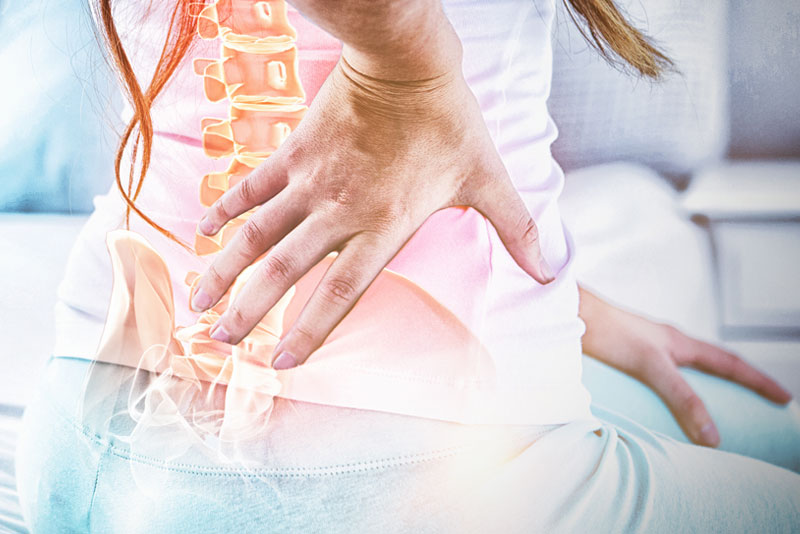
- Back Pain: Persistent back pain, particularly if it is new or worsening, could be due to spinal fractures or changes in spinal alignment linked to osteoporosis.
- Stooped Posture: Developing a rounded back or stooped posture (kyphosis) is often associated with vertebral fractures caused by bone loss.
- Decreased Grip Strength: A reduction in grip strength can be indicative of overall bone health and may signal an increased risk of fracture.
- Changes in Dental Health: Increased tooth loss or gum disease may occur as osteoporosis affects the jawbone, highlighting the importance of maintaining dental health post-menopause.
Treatment options available today
- Bisphosphonates: Bisphosphonates help lower bone loss in postmenopausal women, reducing the risk of osteoporosis.
- Hormone Replacement Therapy (HRT): Treatment that involves estrogen and progestin to help maintain bone density and alleviate menopausal symptoms.
- Calcium and Vitamin D Supplements: Essential nutrients for bone health; calcium strengthens bones while vitamin D aids in calcium absorption.
- Denosumab (Prolia): Denosumab, also known as Polia, is a medicine given through an IV or injection. It helps lower the risk of bone fractures by slowing down bone breakdown. If you cannot take bisphosphonates, denosumab is a good alternative.
- Abaloparatide: This medication is given via self-injection daily and is prescribed to those that are at very high risk for osteoporosis fractures. The medication helped to reduce spine fractures and other bone fractures, but you can’t usually take it for more than 2 years.
- Romozozumab: This injectable medication blocks sclerostin. Doctors usually give it to people at high risk for fractures after menopause.
Early diagnosis and proactive management are key to preserving bone health during this critical life stage. By seeking appropriate osteoporosis treatment in Delhi, women can successfully combat the effects of postmenopausal osteoporosis and maintain their quality of life.
Dr. Anant Kumar Tiwari, a renowned joint replacement surgeon in Delhi with over 38 years of experience. His expertise and compassionate approach have helped countless women regain their strength and improve their quality of life. At Sir Gangaram Hospital, he offers cutting-edge treatments tailored to your unique needs, ensuring that you receive the best care possible. With Dr. Tiwari’s expertise, you can benefit from comprehensive assessments, effective treatment options, and ongoing support that focuses on improving not just your bones but your overall well-being. Schedule an appointment today if you are looking for Postmenopausal Osteoporosis Treatment in Delhi.


